Few figures in heavy metal occupy as distinctive, macabre, and enduring a niche as Kim Bendix Petersen, universally revered by his moniker King Diamond. With a razor-sharp, multi-octave falsetto, corpse-painted theatricality, and bone-cross microphone stand, Petersen reshaped extreme metal, gothic storytelling, and conceptual songwriting across five decades.

Origins and the Genesis of Mercyful Fate
Born on June 14, 1956, in Hvidovre, a suburb of Copenhagen, Denmark, Petersen started his journey playing guitar in local groups like Brainstorm before shifting to lead vocals in the hard-rock outfit Black Rose in the late 1970s. Inspired by Alice Cooper’s theatrical shock-rock, he began experimenting with makeup and horror imagery.
After a stint in the punk-metal outfit Brats, Petersen joined forces with guitarist Hank Shermann, guitarist Michael Denner, and bassist Timi Hansen. Together with drummer Kim Ruzz, they formed Mercyful Fate in 1981.
Mercyful Fate became a cornerstone of the First Wave of Black Metal and traditional heavy metal:
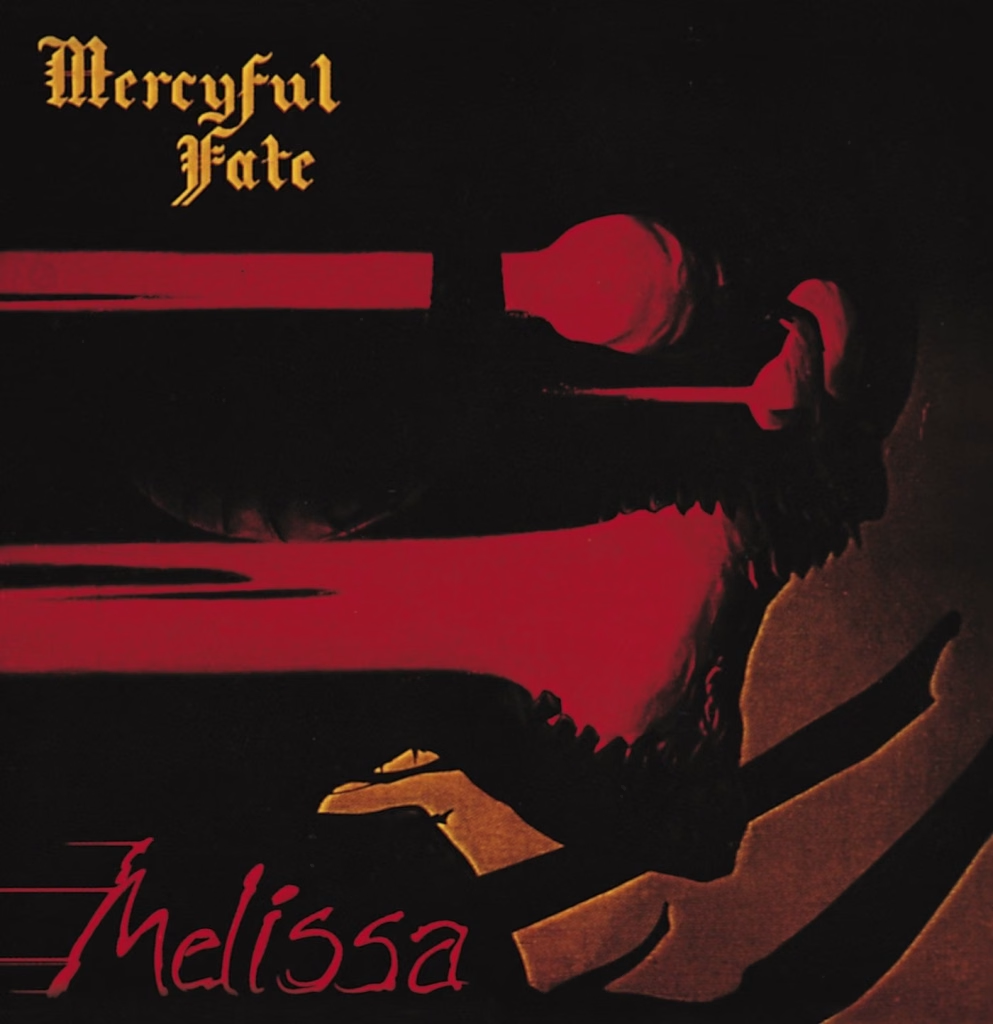
- Melissa (1983): Groundbreaking dual-guitar harmonies, complex neoclassical arrangements, and Diamond’s stark, occult-drenched lyricism.
- Don’t Break the Oath (1984): Widely considered one of heavy metal’s greatest achievements, solidifying the band’s sinister, technical sound.
Despite rapid critical acclaim and touring across Europe and the United States, internal tensions regarding musical direction—specifically commercial pressures versus Diamond’s uncompromising dark vision—fractured the band in late 1984.

The Solo Band and the Golden Era of Concept Albums
Refusing to dilute his style, Petersen launched the eponymous King Diamond band in 1985. He retained Denner and Hansen from Mercyful Fate, recruited legendary Swedish guitar virtuoso Andy LaRocque, and brought in powerhouse drummer Mikkey Dee (later of Motörhead and Scorpions).
Where Mercyful Fate explored standalone occult vignettes, King Diamond’s solo career mastered full-length, narrative-driven horror cinema in audio form:
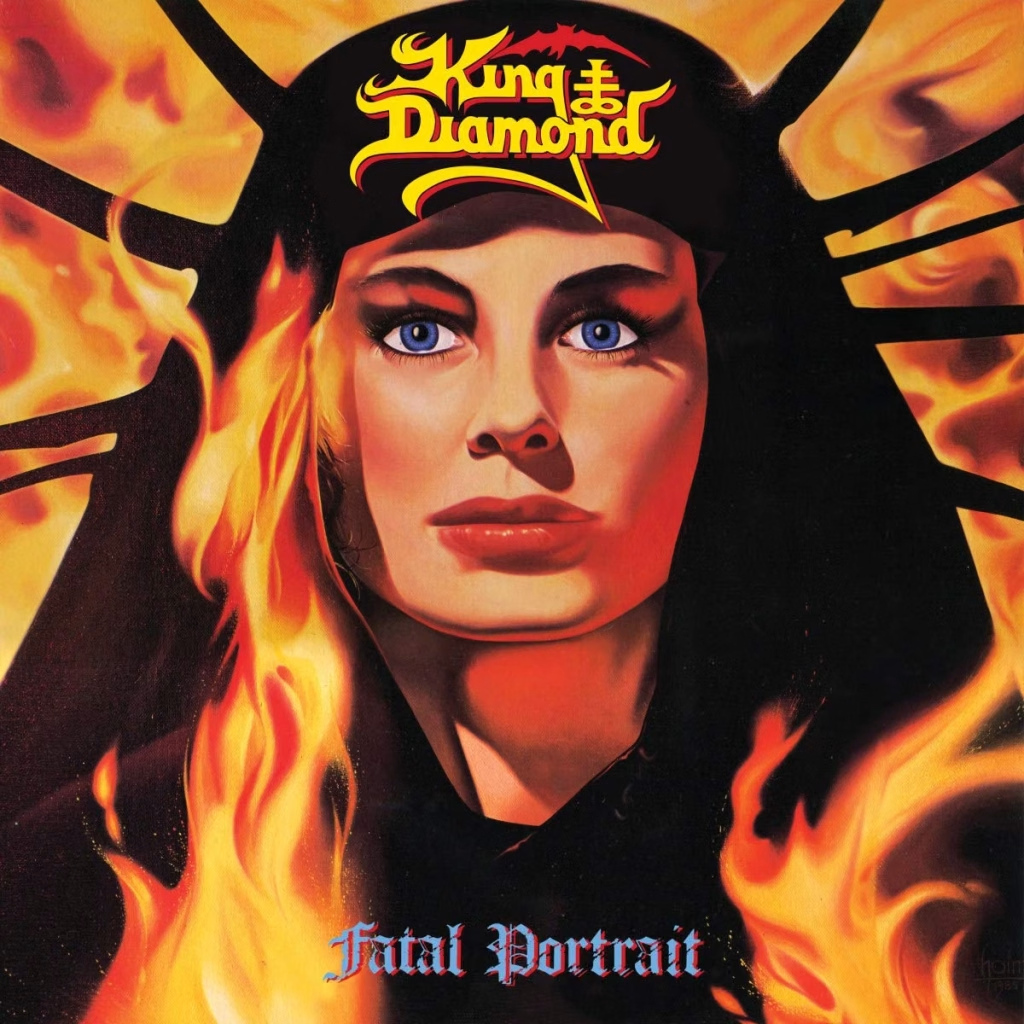
- Fatal Portrait (1986): The transitional debut, featuring a five-song horror suite that foreshadowed his narrative ambitions.
- Abigail (1987): A masterpiece of progressive heavy metal. Set in 1845, the tragic ghost story of Miriam Natias, Count de La Fey, and the stillborn spirit Abigail showcased intricate time signatures and theatrical multi-tracked vocal harmonies.
- ”Them” (1988) & Conspiracy (1989): A two-part autobiographical fiction centered on young King, his mad grandmother, and invisible spirits haunting an old house called Amon.
- The Eye (1990): A historical horror tale addressing the French witch trials, the Inquisition, and religious hypocrisy.
LaRocque’s neoclassical leads and rich melodies served as the ideal foil for Diamond’s elastic countertenor, creating a sound that was simultaneously operatic, heavy, and haunting.

Evolution, Health Trials, and Triumphant Return
Through the mid-1990s and 2000s, Diamond alternated between reforming Mercyful Fate and producing strong King Diamond records like The Spider’s Lullabye (1995), The Graveyard (1996), Voodoo (1998), and The Puppet Master(2003).
In November 2010, Diamond suffered multiple heart attacks, discovering three severely blocked arteries. He underwent emergency open-heart, triple-bypass surgery, during which he was clinically dead for several hours.
He abandoned smoking entirely, began rigorous physical rehabilitation, and made a historic return to the stage at Sweden Rock Festival and Hellfest in 2012. Critics and fans noted that his vocal range and lung capacity were stronger, clearer, and more controlled post-surgery than they had been in decades.

Musical & Cultural Legacy
| Element | Impact & Signature Style |
|---|---|
| Vocal Architecture | Operatic countertenor shifting rapidly into piercing falsettos, snarling mid-ranges, and layered choral harmonies. |
| Stage Persona | Victorian gothic aesthetic, black top hat, intricate corpse paint, and a mic stand fashioned from human femur and tibia bones. |
| Lyricism | Intricately plotted gothic horror with deep explorations of fate, grief, religious dogma, and the unknown. |
| Influence | Formative influence on Metallica (who recorded the famous Mercyful Fate medley), Slayer, Megadeth, Pantera, Cradle of Filth, and countless Scandinavian black and death metal bands. |
King Diamond stands as heavy metal’s quintessential grand storyteller—an artist who fused heavy riffs with grand guignol theatricality and proved that darkness in rock music could be deeply narrative, highly musical, and singularly visionary.
To read my other Basement Band Reviews blogs, click HERE! To add Mercyful Fate and King Diamond albums to your heavy metal music collection, click on the album covers below.