

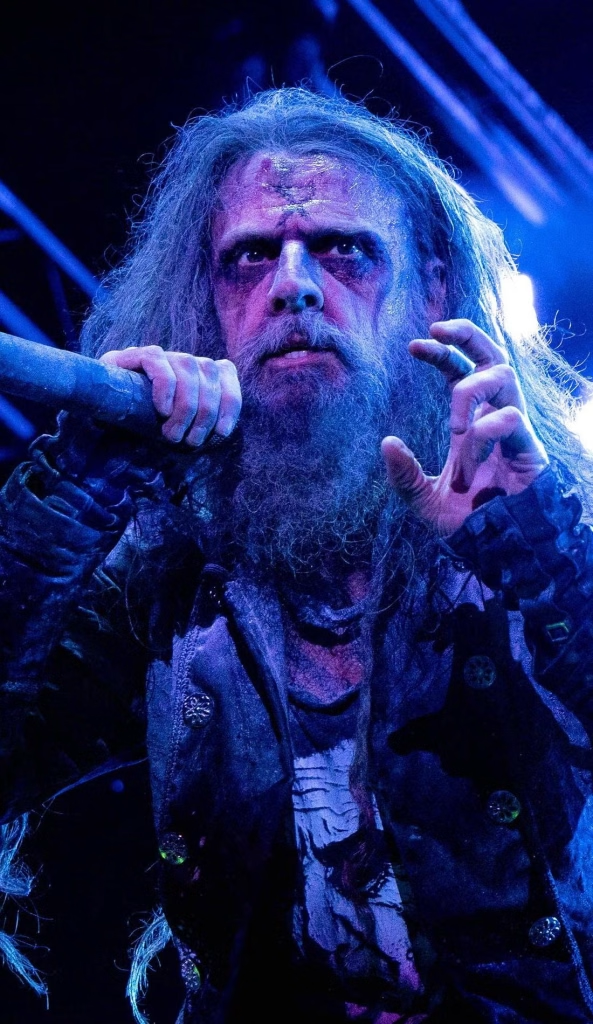
Few figures in modern counterculture inhabit their artistic vision as completely as Rob Zombie (born Robert Bartleh Cummings). Over four decades, the Massachusetts-born musician, director, and illustrator has built an empire out of B-movie schlock, classic monster iconography, hot-rod Americana, and industrial metal grooves. Where other shock rockers adopt a theatrical alter ego, Zombie created a comprehensive aesthetic ecosystem where cinema, graphic art, and bone-rattling audio collide.
1. The Lower East Side & The Rise of White Zombie
Before filling amphitheaters, Zombie was immersed in New York City’s late-1980s underground. While attending Parsons School of Design and working odd jobs—including a stint as a production assistant on Pee-wee’s Playhouse—he co-founded White Zombie in 1985 with bassist Sean Yseult.
Early White Zombie sounded less like arena metal and more like noisy, distorted art-punk. Drawing inspiration from noise rock outfits like Sonic Youth and the Butthole Surfers, the group spent years grinding through small clubs and releasing independent records on their own label.
The breakthrough came when they signed to Geffen Records and released La Sexorcisto: Devil Music Volume One(1992). Fueled by groove-heavy tracks like “Thunder Kiss ’65” and “Black Sunshine,” the album caught fire on MTV’s Beavis and Butt-Head and went multi-platinum.
White Zombie followed with their definitive masterpiece, Astro-Creep: 2000 – Songs of Love, Destruction and Other Synthetic Delusions of the Electric Head (1995). Packed with pounding industrial synths, relentless tempos, and cinematic audio samples, the record yielded the genre-defining hit “More Human than Human” and established Zombie’s signature sound. By 1998, creative differences led White Zombie to disband, setting the stage for Zombie’s solo emergence.

2. The Solo Era: Industrial Groove Meets Shock Rock
In August 1998, Zombie made his solo debut with Hellbilly Deluxe: 13 Tales of Cadaverous Cavorting Inside the Spookshow International. Produced with Scott Humphrey, the record leaned heavier into driving dance beats, distorted vocal filters, and horror electronics.
- “Dragula” (named after Grandpa Munster’s coffin dragster) and “Living Dead Girl” became global anthems, dominating rock radio, strip club sets, and soundtracking films like The Matrix.
- Hellbilly Deluxe sold over three million copies, cementing Zombie as a formidable solo headliner.
Subsequent albums expanded on that carnivalesque rhythm:
- The Sinister Urge (2001): Featured hits like “Feel So Numb” and “Never Gonna Stop (The Red, Red Kroovy),” showcasing a refined balance of funk-metal rhythms and brassy samples.
- Educated Horses (2006): Marked a sonic pivot toward stripped-down 1970s glam-rock and bluesy southern metal (“Foxy Foxy”).
- Collaborative Stability: Across his solo career, Zombie surrounded himself with virtuosic players, including long-time guitar virtuoso John 5, bassist Piggy D., and drummer Ginger Fish.
Zombie continued his chart dominance with records like Venomous Rat Regeneration Vendor (2013), The Electric Warlock Acid Witch Satanic Orgy Celebration Dispenser (2016), and The Lunar Injection Kool Aid Eclipse Conspiracy(2021)—consistently charting inside the Billboard Top 10.

3. The Filmmaking Parallel: A Gritty Grindhouse Voice
Zombie’s musical career is inseparable from his cinematic ambitions. Having directed his own music videos since the mid-1990s, he transitioned to feature filmmaking with the controversial and boundary-pushing House of 1000 Corpses (2003). Shelved by Universal for its raw graphic content, it eventually found release via Lionsgate and became a massive cult phenomenon, introducing fans to the twisted Firefly family and Sid Haig’s iconic Captain Spaulding.
His follow-up, The Devil’s Rejects (2005), ditched the hyper-stylized carnival aesthetic for sun-bleached 1970s gritty road-movie terror, widely lauded by critics as a brutal modern exploitation masterpiece.
He later tackled the Halloween franchise (2007, 2009), delivering a divisive, hyper-violent psychological portrait of Michael Myers that smashed box-office records, followed by arthouse occult horror (The Lords of Salem, 2012) and a nostalgic, technicolor passion project in The Munsters (2022).

4. Key Musical Hallmarks & Legacy
| Dimension | Aesthetic & Technique |
|---|---|
| Vocal Style | Raspy, rhythmic spoken-word cadences layered over high-intensity screams and vocoder filters. |
| Sampling & Sound Collage | Vintage dialogue cuts from classic horror (e.g., Plan 9 from Outer Space, Faster, Pussycat! Kill! Kill!, White Zombie). |
| Rhythm Section | Syncopated, four-on-the-floor industrial beats crossed with down-tuned groove-metal riffs. |
| Visual Spectacle | Massive stage rigs featuring animatronic monsters, retro video projections, pyro, and platform boots. |
Rob Zombie remains one of the few artists who successfully blurred the boundary between subculture curation and mainstream rock radio. By treating heavy metal not just as a musical genre, but as a total multimedia gallery for horror, sci-fi, and vintage counterculture, he created an instantly identifiable signature that continues to resonate across stages and screens alike.
To read my other Basement Band Reviews blogs, click HERE! To read my coverage of the film House of 1000 Corpses, click HERE. To purchase Rob Zombie items, click on the images below.


