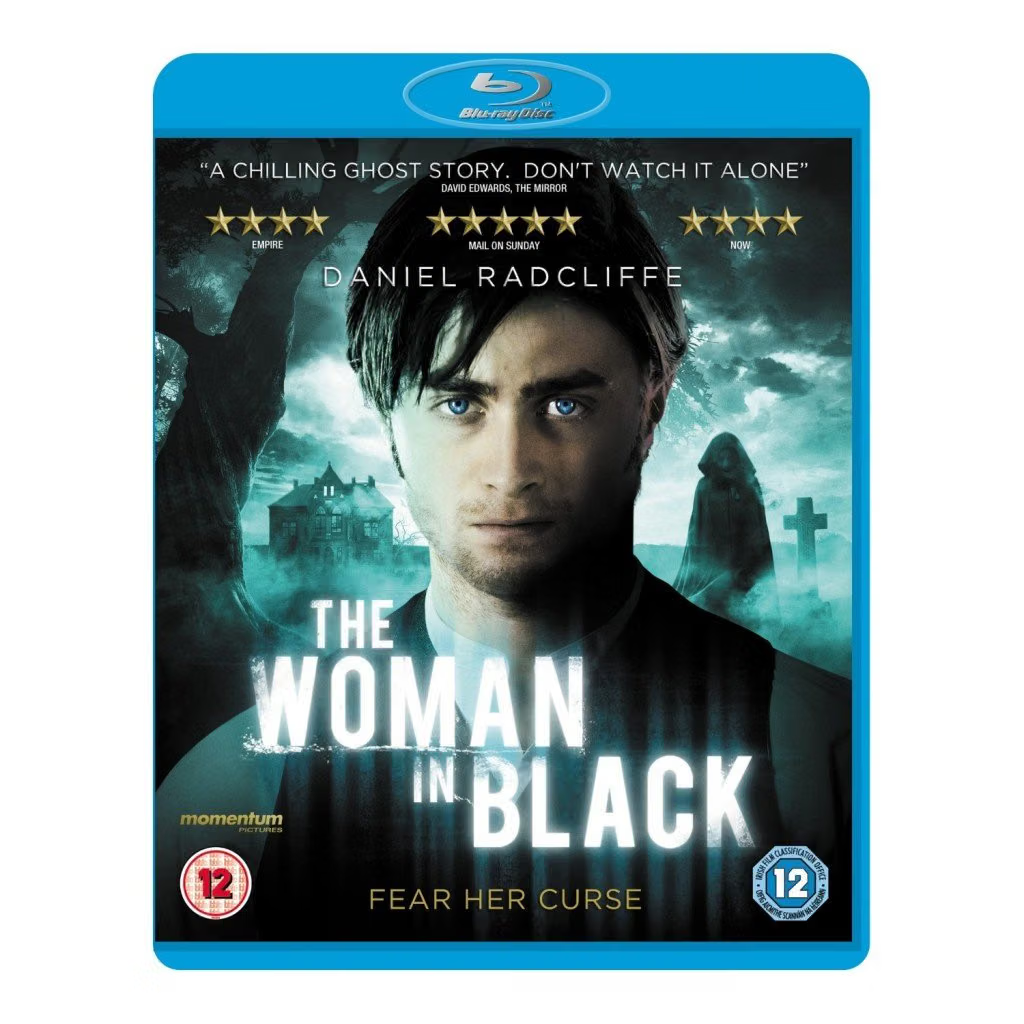
Directed by James Watkins and written by Jane Goldman, the 2012 adaptation of The Woman in Black revitalized classic British Gothic horror for modern cinema. Produced by the revived Hammer Film Productions, the film marked a pivotal career moment for Daniel Radcliffe, serving as his first major lead post-Harry Potter. It adapted Susan Hill’s celebrated 1983 novella into an atmospheric, tension-fueled study of grief and malevolence.

Plot and Premise
Set in early 20th-century Edwardian England, the story follows Arthur Kipps (Radcliffe), a widowed young solicitor struggling under the weight of his wife’s death in childbirth. Facing dismissal from his London firm, he takes a final assignment: travel to the remote coastal village of Crythin Gifford to settle the estate of the late Alice Drablow, owner of the secluded Eel Marsh House.
Upon arrival, Kipps encounters hostility and fear from the villagers, who want him to leave immediately. Eel Marsh House sits beyond the Nine Lives Causeway, cut off from the mainland at high tide and swathed in sea mists. As Kipps sorts through legal documents inside the decaying mansion, he begins hearing phantom noises, spotting moving mechanical toys, and catching glimpses of a gaunt, mourning figure dressed entirely in black.
He uncovers the house’s dark history: Alice Drablow’s sister, Jennet Humfrye (Liz White), had an illegitimate son, Nathaniel, whom the family forcibly took from her. Nathaniel subsequently drowned in the marshes when his carriage sank in the mud, with Jennet watching helplessly. Jennet later hanged herself in the nursery, leaving a curse: whenever the Woman in Black is seen, a local child dies.

Key Themes and Atmosphere
- The Stagnation of Grief: Grief is not merely a subplot; it is the physical engine of the story. Both Kipps and Jennet are defined by unbearable loss, but while Kipps processes his pain through melancholy and duty, Jennet’s maternal agony curdles into indiscriminate, vengeful malice.
- Gothic Isolation and Geography: The setting functions as an active antagonist. Eel Marsh House—filmed primarily at Cotterstock Hall in Northamptonshire—embodies traditional Gothic tropes: tide-locked isolation, drowning mists, decrepit Victorian architecture, and the omnipresence of death.
- Sound Design and Slow Burns: Watkins prioritized silence, creaking floorboards, ticking clockwork, and sudden silence over constant gore, honoring the aesthetic legacy of Hammer Horror while integrating modern pacing and jump scares.

Critical and Box Office Impact
| Category | Details |
|---|---|
| Budget | ~$15 million |
| Worldwide Box Office | $129 million |
| Critical Reception | ~67% on Rotten Tomatoes; praised for mood, visuals, and Radcliffe’s restraint |
| Legacy | Highest-grossing British horror film in 20 years at the time of release |
The film succeeded in demonstrating that period-piece horror and traditional ghost stories could still compete in a box-office landscape dominated by found-footage franchises and slasher cinema.
To read the rest of my Monstrous Movie Reviews, click HERE! To add this movie to your film collection, click on the Blu-ray cover below.