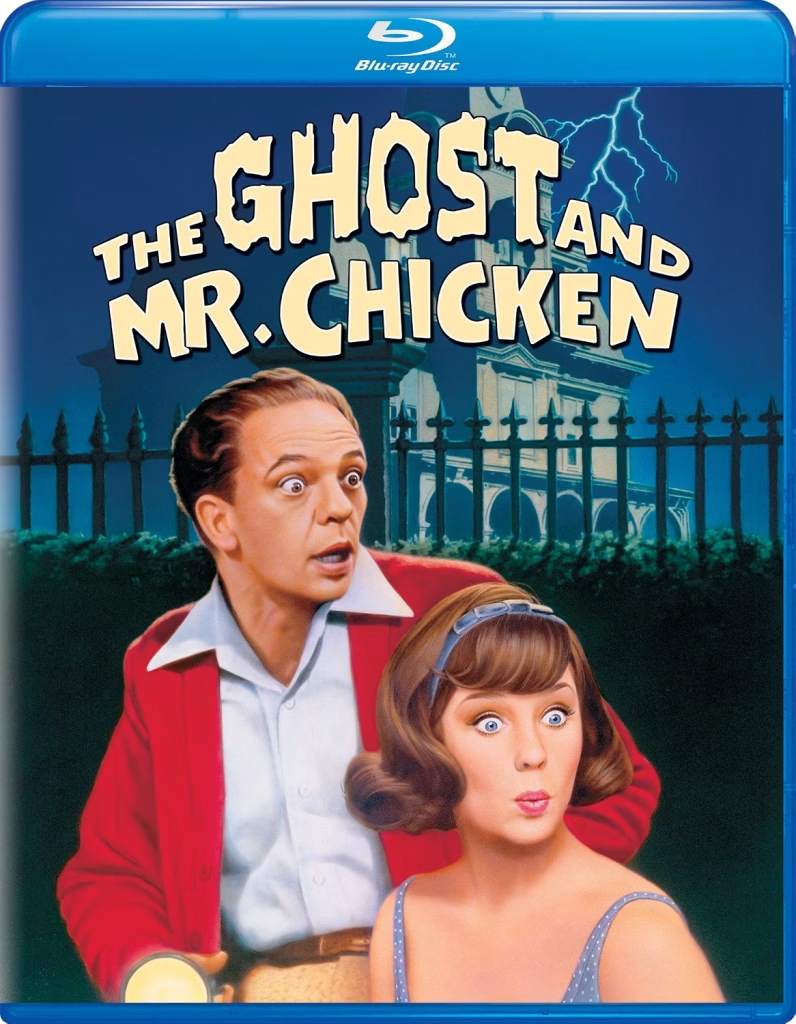
Released in 1966 by Universal Pictures, The Ghost and Mr. Chicken represents a pivotal moment in American screen comedy. Having just departed his five-time Emmy-winning role as Deputy Barney Fife on The Andy Griffith Show, Don Knotts transitioned to the silver screen with a tailor-made vehicle that cemented his status as a cinematic leading man. Blending classic haunted-house mystery with small-town slapstick, the film remains an affectionate, enduring family classic.

Synopsis: A Night in the Simmons Mansion
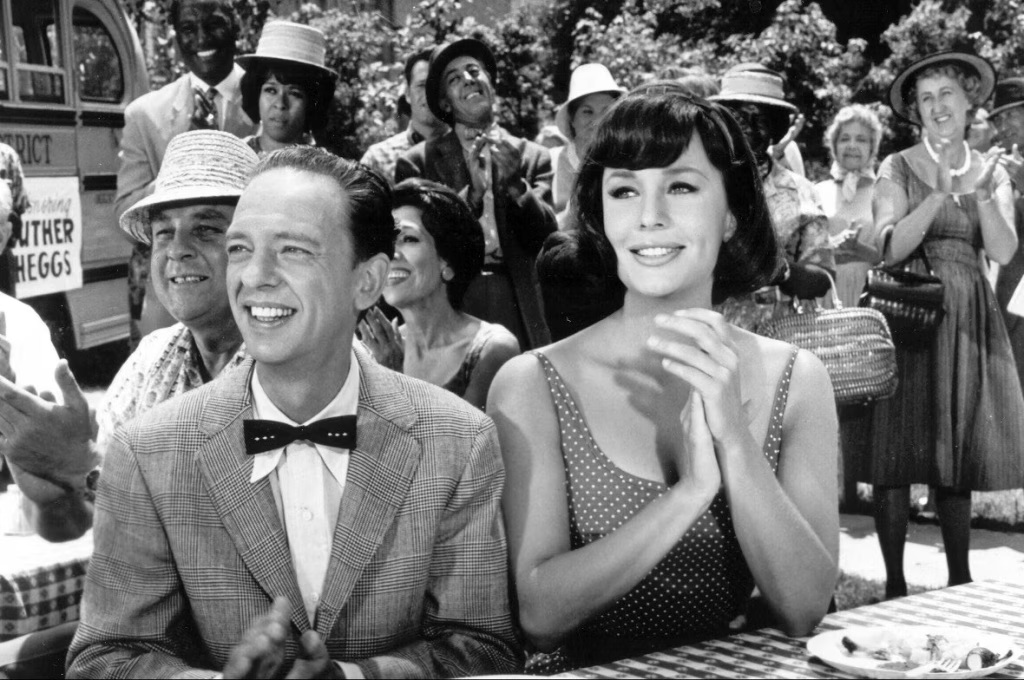
The film is set in the sleepy, fictional community of Rachel, Kansas. Luther Heggs (Don Knotts) works as a timid newspaper typesetter for the Rachel Courier, harboring dreams of becoming a hard-hitting investigative reporter and winning the heart of his crush, Alma Parker (Joan Staley).
Opportunity strikes on the 20th anniversary of Rachel’s most notorious tragedy: the murder-suicide at the decrepit Simmons mansion, where industrialist Mr. Simmons supposedly murdered his wife and jumped to his death from the organ loft. Luther’s editor, George Beckett (Dick Sargent), dares Luther to spend an entire night alone inside the mansion to write a front-page feature.
What follows is an overnight stay filled with eerie occurrences:
- A portrait of Mrs. Simmons that mysteriously bleeds from the neck.
- Footsteps in secret passages and eerie thuds in the walls.
- The Simmons pipe organ playing by itself at midnight, leaving bloody fingerprints across the keys.
Luther’s sensational story turns him into an overnight local hero, celebrated by townsfolk with the famous rallying cry, “Atta boy, Luther!” However, the house’s surviving heir, Nicholas Simmons (Philip Ober), sues Luther and the newspaper for libel, claiming the ghost stories damage the estate’s value. To clear his name and salvage his reputation in a humiliating courtroom trial, Luther is forced to return to the mansion and uncover whether the haunting is genuine or a calculated earthly conspiracy.

The Andy Griffith Show Pedigree
Much of the film’s distinct charm stems from its tight creative connection to The Andy Griffith Show:
- Screenplay & Direction: The script was penned by longtime Griffith writers James Fritzell and Everett Greenbaum, with Andy Griffith himself contributing uncredited story and joke work. It was directed by Alan Rafkin, who helmed numerous episodes of the sitcom.
- Familiar Faces: The ensemble cast was packed with veteran character actors, many known to television audiences. Familiar faces included Hal Smith (Otis Campbell), Burt Mustin, Ellen Corby, Hope Summers, and Charles Lane.
- Character Archetype: Knotts’s Luther Heggs is a spiritual cousin to Barney Fife—boastful yet terrified, earnest, physically rubbery, and hyper-reactive to perceived danger, yet ultimately possessing an undercurrent of genuine bravery.
Music, Mood, and Production
A defining element of The Ghost and Mr. Chicken is its musical score by Vic Mizzy, renowned for composing the iconic themes for The Addams Family and Green Acres. Mizzy provided a punchy, melodramatic score driven by harpsichords, brass, and a spooky, jaunty pipe organ theme that anchored the film’s comedic-spooky tone.
The exterior of the haunted Simmons mansion was filmed on Universal’s famous Colonial Street backlot (an altered version of the “Harvey House,” which appeared in numerous TV shows and movies, including The Munsters and later Desperate Housewives).

Key Cast and Crew
| Role / Credit | Individual | Notes |
|---|---|---|
| Director | Alan Rafkin | Emmy-winning television director |
| Writers | Jim Fritzell & Everett Greenbaum | With uncredited contributions by Andy Griffith |
| Composer | Vic Mizzy | Famous for The Addams Family score |
| Luther Heggs | Don Knotts | First film under his Universal multi-picture contract |
| Alma Parker | Joan Staley | Luther’s supportive romantic interest |
| George Beckett | Dick Sargent | Courier editor; later Darrin Stephens on Bewitched |
| Ollie Weaver | Skip Homeier | Heggs’s rival reporter for Alma’s affections |

Box Office and Cultural Legacy
Produced on a modest budget, The Ghost and Mr. Chicken proved to be an unexpected commercial hit, grossing several times its production cost. Its success immediately validated Universal chief Lew Wasserman’s decision to sign Knotts to a multi-picture contract, paving the way for follow-up family comedies such as The Reluctant Astronaut (1967), The Shakiest Gun in the West (1968), and How to Frame a Figg (1971).
Decades later, the movie remains an October staple and a beloved time capsule of mid-1960s family entertainment, kept alive through television syndication and home video.
To read the rest of my Monstrous Movie Reviews, click HERE! To add this movie to your film collection, click on the Blu-ray cover below.