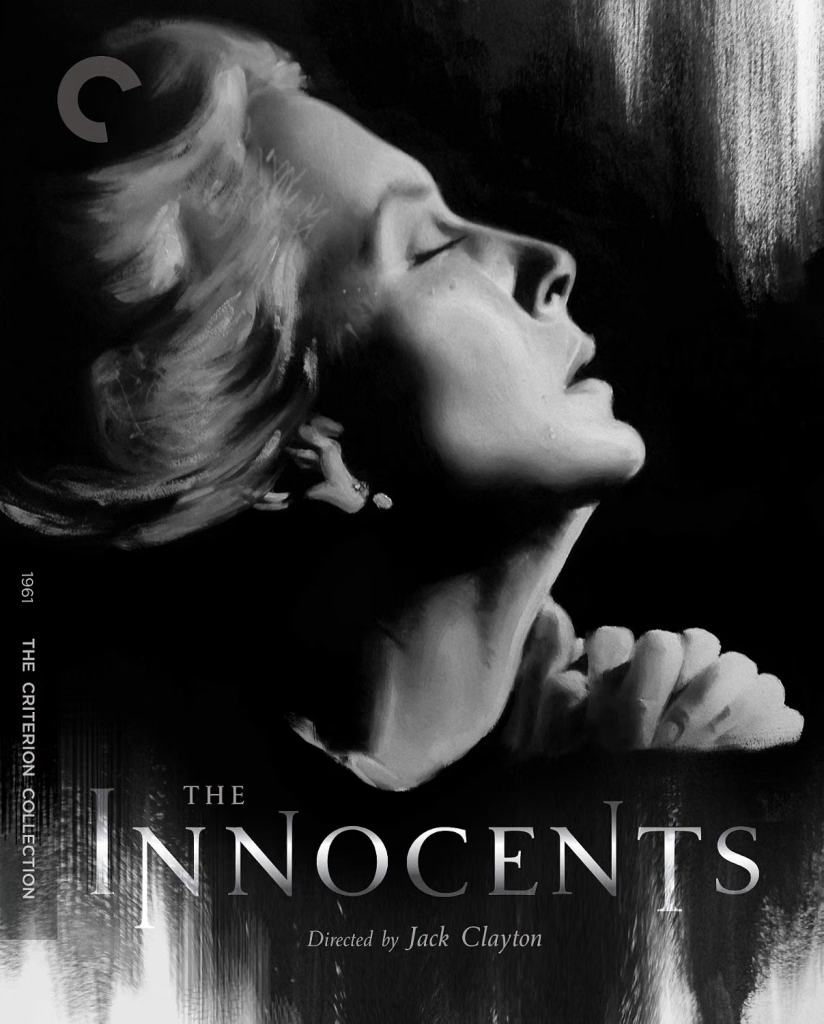
Introduction to a Masterpiece of Gothic Horror
Released in 1961 and directed by Jack Clayton, The Innocents stands as a towering achievement in psychological horror and atmospheric cinema. Based on Henry James’s famously ambiguous 1898 novella The Turn of the Screw, with a screenplay co-written by Truman Capote and William Archibald, the film masterfully weaves a chilling tale of possession, repression, and corruption. Rather than relying on cheap jump scares or heavy special effects, Clayton crafts a creeping, claustrophobic dread that forces audiences to question the sanity of its protagonist and the true nature of the children she is sworn to protect.

Plot Summary
The story begins when an inexperienced young woman named Miss Giddens (Deborah Kerr) accepts a position as a governess at Bly, an isolated and grand English country estate. She is hired by the children’s absentee uncle, an indifferent bachelor who demands that she handle all responsibilities without ever bothering him.
At Bly, Miss Giddens cares for two orphaned siblings: Flora (Pamela Franklin) and Miles (Martin Stephens). Initially, the children are paragons of charm and sweetness. However, the atmosphere quickly darkens. Miss Giddens begins to encounter unsettling, disembodied voices and spectral figures on the grounds. She identifies them through the housekeeper, Mrs. Grose (Cyllis Maude), as Peter Quint (Peter Wyngarde), the estate’s former sadistic valet, and Miss Jessel (Clive Revill / Ruth Walker), the previous governess.
In life, Quint and Miss Jessel carried on a toxic, abusive affair. Convinced that the spirits have returned to possess the bodies of Miles and Flora, Miss Giddens sets out on a desperate crusade to save the children’s souls—leading to a tragic, psychologically intense confrontation.

Core Themes and Ambiguity
What makes The Innocents endure as a cinematic landmark is its brilliant handling of ambiguity. The film purposefully operates on three simultaneous levels:
- The Supernatural: The ghosts of Quint and Miss Jessel are literal entities corrupting innocent souls from beyond the grave.
- Childhood Corruption: The notion that children are not blank slates, but are capable of harboring sophisticated malice, secrecy, and adult vices.
- Psychological Breakdown: The terrifying possibility that the ghosts do not exist at all, but are instead manifestations of Miss Giddens’s severe sexual repression, loneliness, and growing hysteria.
Truman Capote’s script heavily emphasizes Freudian undertones, drawing a sharp contrast between Miss Giddens’s repressed desires and the overt, predatory sexuality once practiced by Quint.

Directorial and Technical Brilliance
Director Jack Clayton and legendary cinematographer Freddie Francis utilized innovative techniques to externalize the psychological decay of the characters:
- Light and Shadow: Using real candles with multiple wicks to illuminate dark, gothic interiors, contrasted sharply against blinding, sun-drenched daytime scenes where horrors unexpectedly manifest.
- Sound Design: The heavy reliance on sudden silence, ambient whispering, and distorted echoes builds an immersive sonic landscape. Daphne Oram’s pioneering electronic sound effects further amplify the unearthly atmosphere.
- Point-of-View Manipulation: The camera frequently shifts between making the audience sympathize with Miss Giddens’s perspective to viewing her behavior from an objective, critical distance.
Legacy
The Innocents fundamentally reshaped the psychological horror genre, directly influencing later classics like The Haunting (1963) and The Others (2001). By exploring the monsters hidden inside the human mind rather than hiding them in closets, the film remains an essential masterpiece of mood, tension, and dread.
To read the rest of my Monstrous Movie Reviews, click HERE! To add this movie to your film collection, click on the Blu-ray cover below.