

Few films in cinema history are as brazenly deceptive in title as The Curse of the Cat People (1944). Mandated by RKO executives eager to cash in on the runaway box-office success of Jacques Tourneur’s 1942 horror hit Cat People, producer Val Lewton was handed an exploitative, monster-movie title and ordered to deliver a sequel. Instead, Lewton, screenwriter DeWitt Bodeen, and co-directors Gunther von Fritsch and Robert Wise delivered something radical: an ethereal, deeply empathetic psychological study of childhood loneliness, imagination, and grief.

The Genesis: Subverting the B-Movie Mandate
Under the studio edict of RKO’s B-picture unit, Lewton was assigned rigid parameters: budgets under $150,000, running times capped around 70 minutes, and lurid, pre-tested titles designed to sell tickets. Rather than rehashing feline lycanthropy, Lewton turned inward, mining his own childhood memories of isolation and fairy tales.
Production hit a snag when first-time director Gunther von Fritsch fell days behind schedule. Studio executives demanded a replacement, elevating 29-year-old film editor Robert Wise into the director’s chair to finish the picture. It marked Wise’s directorial debut, launching a prolific career that would later span The Day the Earth Stood Still, The Haunting, and The Sound of Music.
Narrative: A Child’s Secret World
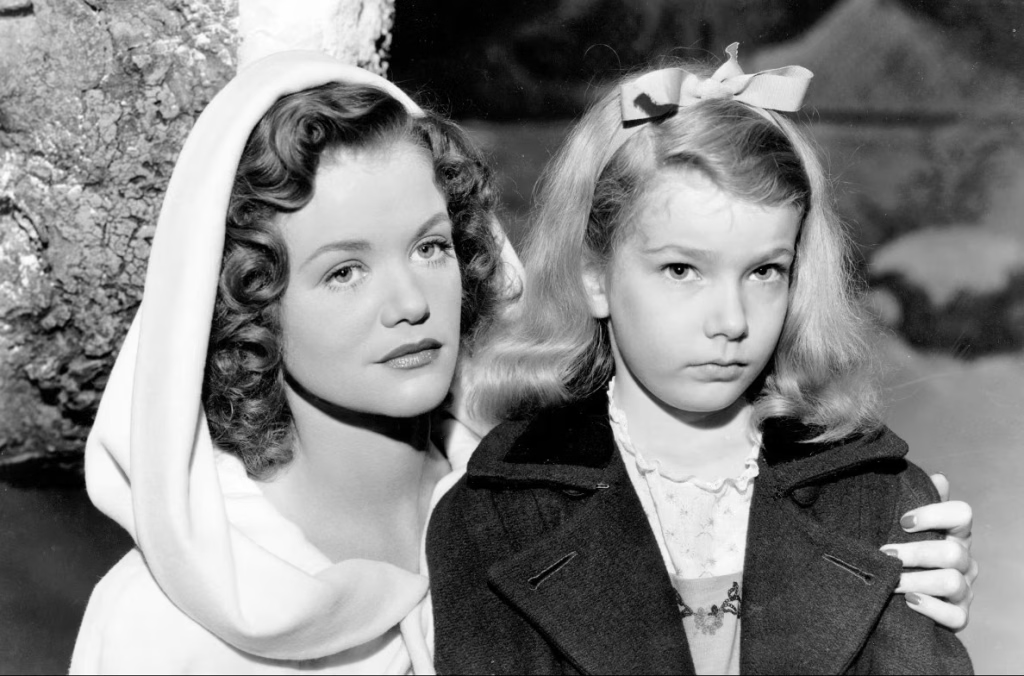
The film picks up several years after the events of Cat People. Oliver Reed (Kent Smith) is now married to his coworker Alice (Jane Randolph). They live in a sunlit, suburban Tarrytown, New York home with their introverted six-year-old daughter, Amy (Ann Carter).
- The Strained Father-Daughter Bond: Amy is an imaginative dreamer detached from other neighborhood children. Traumatized by the fate of his first wife, Irena Dubrovna—who believed she was cursed to transform into a panther—Oliver pathologizes Amy’s vibrant fantasy life. He fears she has inherited Irena’s instability, punishing the child whenever she fails to ground herself in “reality.”
- The “Imaginary” Friend: Starved for connection, Amy discovers a photograph of Irena and inadvertently summons her as a companion (played once more by Simone Simon). Appearing in a shimmering evening gown, Irena becomes Amy’s benevolent fairy godmother and confidante rather than a predatory monster.
- The Gothic Double: Amy’s internal world parallels the real external danger lurking nearby at the decaying mansion of Julia Farren (Julia Dean), an eccentric former stage actress suffering from dementia, and her unhinged daughter, Barbara (Elizabeth Russell), whose profound jealousy boils over when Amy inadvertently wins the old woman’s affections.

Thematic Depth and Ambiguity
Rather than an external monster stalking victims in the shadows, the “curse” is an allegory for the friction between child innocence and rigid adult rationalism:
- Psychological Ambiguity: The film refuses to confirm whether Irena is an actual ghost haunting the family or an elaborate projection born of Amy’s solitude. Director of photography Nicholas Musuraca lights Irena with soft, dreamlike key lights that dissolve effortlessly into foliage and moonlight, maintaining this liminal space.
- The Peril of Forbidding Imagination: Oliver’s terror of the irrational nearly destroys his daughter. By enforcing cold pragmatism, he alienates Amy, driving her straight into the arms of the mentally unstable Barbara Farren.
- Compassion as Salvation: In the film’s climactic confrontation, when Barbara moves to strangle Amy in the dark, Amy does not fight or flee; she embraces her attacker, seeing the face of her protector Irena. Disarmed by pure, unconditional affection, Barbara breaks down, transforming potential tragedy into catharsis.

Critical Legacy
Audiences expecting fangs, claws, and prowling panthers in 1944 were largely bewildered, yet critics immediately recognized its singular poetic vision. James Agee famously hailed it as a work of rare cinematic sensitivity, noting how deeply it understood the wonder and terror of childhood.
Today, The Curse of the Cat People is celebrated alongside Jean Cocteau’s Beauty and the Beast and Víctor Erice’s The Spirit of the Beehive as a masterpiece of lyrical fantasy—a film that subverted Hollywood formula by trading cheap shocks for sublime psychological truth.
To read the rest of my Monstrous Movie Reviews, click HERE! To add this movie to your film collection, click on the Blu-ray cover below.
