

As someone who fondly remembers my childhood television viewing, I have a strong sense of nostalgia for that era. Cartoons were scheduled in a structured manner. This included Saturday morning lineups on major networks and weekday blocks on UHF stations. This is a stark contrast to today’s 24/7 cartoon channels.

Saturday mornings were a treat, offering a mix of classic Hanna-Barbera and Warner Bros. cartoons alongside the unique live-action creations of Sid & Marty Krofft, like Land of the Lost and Dr. Shrinker. However, it was the weekday cartoon blocks that introduced me to a different style of animation from Japan. We then called it “Japanimation,” but it is now known as anime. For me, the standout from that time was Star Blazers, originally broadcast in 1974.
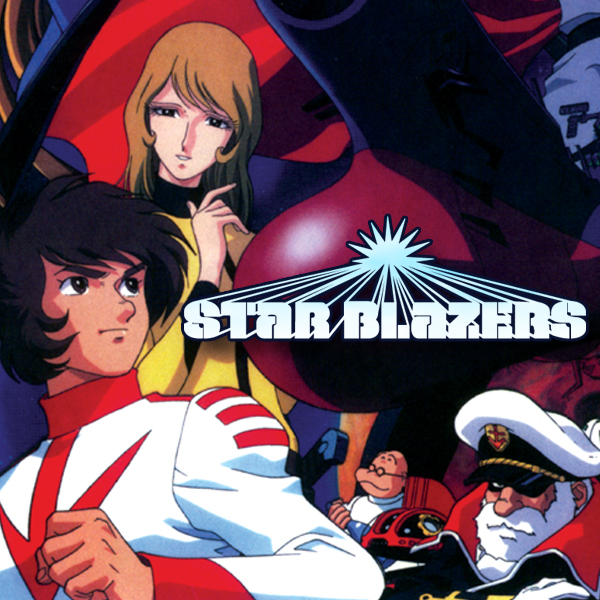
This series comprised two main storylines: “The Quest for Iscandar” and “The Comet Empire.” Both featured impressive animation for the time, coupled with engaging narratives and relatable characters. The central premise of both arcs involved the Star Force. This was a dedicated group of Earth’s top military and scientific minds. They were assembled to save the planet. Their vessel was the Argo. It was a repurposed Japanese battleship, the Yamato. This battleship was sunk during World War II and is now transformed into a powerful space battleship. Star Blazers was compelling because it blended exciting storytelling with emotionally resonant moments. This was especially true when characters faced loss.

In 2012, “The Quest For Iscandar” storyline was reimagined in the series, SPACE BATTLESHIP YAMATO 2199. This new version initially premiered in Japanese theaters as a series of back-to-back episodes before being released on Blu-ray. Despite the cost, these Blu-ray editions thankfully included English subtitles. Having heard positive reviews online, I eagerly anticipated acquiring my copies and was not disappointed.

SPACE BATTLESHIP YAMATO 2199 essentially retells the original story with added depth. An alien race from the planet Garmillas, with ambitions of universal domination, sets its sights on Earth. They bombard the planet with radiation-filled meteors, causing widespread destruction and forcing humanity to seek refuge underground. With the planet facing total annihilation within a year due to the radiation, a beacon of hope emerges. Starsha is from the benevolent planet Iscandar. She contacts Earth. She reveals she possesses a means to eliminate the radiation. This will restore the planet’s beauty. However, she cannot deliver the Cosmo Reverse System; Earth must journey to her. She provides the plans for a wave motion engine. This engine equips the Yamato with the necessary technology for the 148,000 light-year voyage to Iscandar and back. Throughout their perilous journey, the crew of the Yamato constantly faces threats from Aberdt Dessler, the leader of Garmillas.

Fans of the original series will appreciate this updated version. It not only remains faithful to the core narrative. It also enriches the story with greater character development. Characters like Yuki Mori have more extensive backstories. This adds depth and creates a love triangle with Susumu Kodai (pictured above). In addition to the original cast, numerous new characters are introduced, enhancing the overall adventure. Unlike the original series, which primarily featured Yuki and Starsha as significant female characters. SPACE BATTLESHIP YAMATO 2199 introduces several strong female characters. They play vital roles in the story.

Music is a crucial element of anime, often as integral as the animation itself. In the case of Space Battleship Yamato, the music stands out as some of the finest ever produced for the genre. The main theme and battle marches perfectly complement the series’ tone and atmosphere. The original score was composed by Hiroshi Miyagawa, and his son Akira re-scored the 2012 reimagining. While the new series features fresh musical pieces, it’s the original orchestrations, particularly in their digital presentation, that truly impress. I highly recommend the soundtracks, despite their higher price point.

For those wishing to further indulge their appreciation for the series, there are numerous model kits, ships, and figures available. These allow fans to build impressive Yamato collections. The exceptional quality of these items demonstrates the enduring popularity of this 1970s series, a following that is undoubtedly well-deserved.

“The Comet Empire” storyline has also been remade as well. I will be reviewing this soon as well. Don’t forget to read the other blogs in my BASEMENT BLU-RAY REVIEW series.