

George A. Romero’s 1978 masterpiece, Dawn of the Dead, isn’t just a horror film. It’s a visceral, thought-provoking piece of cinema. It is undeniably influential and continues to resonate nearly half a century after its release. Building on the groundbreaking success of Night of the Living Dead, Romero elevates the zombie genre to new heights. He delivers a potent blend of unrelenting suspense, graphic gore, and sharp social satire. This remains unparalleled.
The movie commences with chaotic scenes of societal collapse. It progresses to a claustrophobic and increasingly desperate climax. Dawn of the Dead grips the viewer with an unrelenting intensity. The film plunges us headfirst into a world overrun by the undead, offering no gentle introduction or lengthy exposition. Instead, the audience is thrust directly into the crisis. We experience the terror and confusion with its core group of survivors. They include the level-headed SWAT team member Roger (Scott Reiniger), the pragmatic helicopter pilot Stephen (David Emge), and the resourceful television station employees Francine (Gaylen Ross) and Peter (Ken Foree).
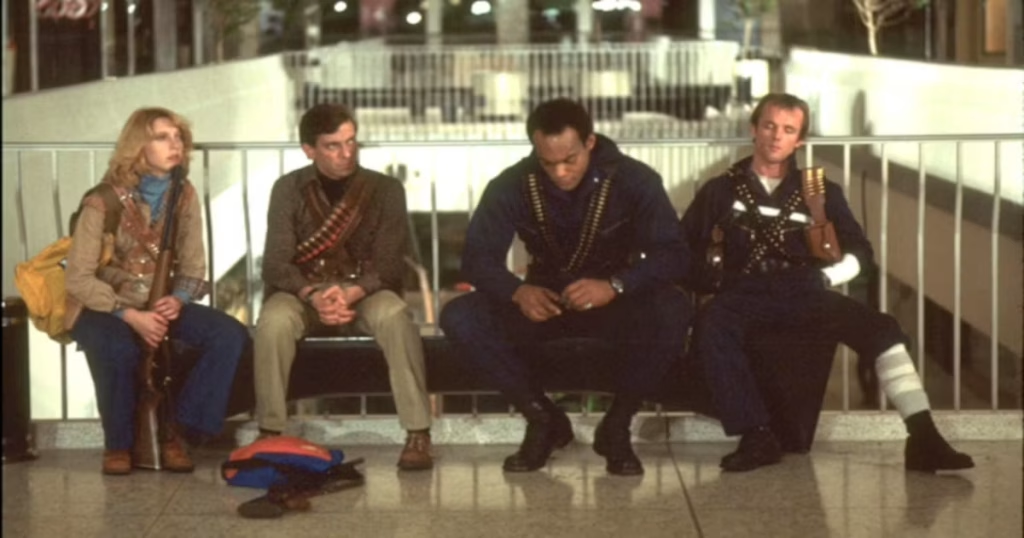
The brilliance of Dawn of the Dead is not just in its scares. It also lies in its intelligent use of the zombie apocalypse as a metaphor for the burgeoning consumerism of the late 1970s. The survivors’ decision to take refuge in a sprawling shopping mall is a stroke of genius. The mall is a monument to excess and material desire. The zombies are drawn to the mall by some primal instinct. They become a horrifying reflection of the mindless masses driven by consumer culture. Their shuffling through the aisles, reaching for nothing of real value, serves as a chilling commentary on the emptiness and superficiality that Romero perceived in modern society.
Beyond its social commentary, the film excels in its execution. The practical effects, masterfully crafted by Tom Savini, are both gruesome and remarkably realistic for their time. The sheer volume of the undead, the visceral depiction of their decaying flesh, and the graphic violence are undeniably shocking, but they serve a purpose beyond mere exploitation. They underscore the overwhelming threat facing humanity and contribute to the film’s atmosphere of unrelenting dread.

The performances of the lead actors are also noteworthy. Reiniger, Emge, Ross, and Foree create believable and relatable characters who grapple with the physical and emotional toll of their desperate situation. Their interactions, their moments of camaraderie and conflict, provide a human anchor amidst the escalating horror. Francine’s journey, in particular, is compelling as she evolves from a somewhat passive character to a strong and capable survivor.
Furthermore, the film’s pacing is expertly controlled. Romero masterfully builds tension through suspenseful sequences, punctuated by bursts of intense action and graphic violence. The quieter moments, where the survivors attempt to establish a semblance of normalcy within the mall, are equally effective in highlighting the precariousness of their situation and the psychological toll of their isolation.
The iconic score by Goblin adds another layer of atmosphere to the film. The eerie synthesizers complement the on-screen action. The driving rhythms enhance both the suspense and the moments of intense horror.

While some might find the level of gore off-putting, it’s crucial to understand that it’s an integral part of the film’s impact and its social commentary. The graphic violence serves to underscore the brutality of the situation and the dehumanizing effect of the zombie apocalypse. It’s not gratuitous; it’s a deliberate choice that contributes to the film’s overall message.
In conclusion, Dawn of the Dead is far more than just a zombie movie. It’s a landmark achievement in horror cinema, a potent allegory for consumerism, and a masterclass in suspense and practical effects. Its enduring popularity and influence on subsequent horror films are a testament to its brilliance. It’s a film that stays with you long after the credits roll. It prompts reflection on society and survival. The film explores the very nature of humanity in the face of unimaginable catastrophe. For its groundbreaking approach, its unflinching depiction of horror, and its enduring social relevance, Dawn of the Dead remains a true cinematic triumph.
To read the rest of my Monstrous Movie Reviews, just click HERE! To add this classic to your film library, click on the Blu-ray movie cover below.
